PRO TIP: Email doesn't like to show any links I put in my blog posts, so I highly recommend using the "View in browser" option located on top of the featured image above to read today's post. You can also go directly to my blog and find the post there.
I’ve blogged at length about my love for books and movies, but I haven’t elaborated much on my undying love for Japanese manga and anime.
One reason I haven’t gone too much into the topic is because a part of me feels like I should be growing out of this childhood love of mine. Manga and anime are cartoons, after all. They contain tropes galore. They can be extreme and exaggerated to the point of being melodramatic. And the primary themes of even the most mature series can be simple, so much so that you could call them childish.
I’m an adult. I want to act my age. A part of me fears that I’m indulging in an immature penchant. Isn’t it time I moved on to reading something like, I don’t know, Derrida instead of Naruto? Shouldn’t I love watching Citizen Kane more than Attack on Titan? Shouldn’t literary analyses of Herman Melville’s works ensnare my senses rather than Screen X showings of Demon Slayer: Infinity Castle?
But no matter how much time goes by, I can’t shake my love for manga and anime, which I’ll simply call “anime” from here on out for the sake of efficiency. (For those who don’t know the difference, manga is in static graphic novel form. Anime is in animated form.)
I’ve actually tried, you know. To shake my love. Multiple times. But I can’t. Anime is just too good and speaks to me in ways that other mediums simply don’t, no matter how brilliant. So, whenever the temptation to abandon my passion for anime rears its dignified and ugly head, I force myself to remember what the great Ray Bradbury once wrote in his book, Zen in the Art of Writing:
“I have never listened to anyone who criticized my taste in space travel, sideshows or gorillas. When this occurs, I pack up my dinosaurs and leave the room.”
I suppose if the person criticizing my taste in anime is myself, I have Ray Bradbury’s permission to ignore myself. So, ignore myself I will. In fact, I think I’ll even go a step further and explain why I fell so deeply in love with anime to begin with in the hopes of inspiring you to join me in my obsession. We can all be nerds together. Otakus for life! Doesn’t that sound fun? Yes? No? I don’t care! Yosh, ikuzo!
Now, I already know what you’re thinking. “Oh, Ann. I’ve read your books. You like all that blood-splattering action and gory stuff, and anime has so much of that. That’s probably why you like it. But I don't like it. The blood, the action, how weird everything looks, and just all the ... the ... strangeness of anime. Just let go of me. I don't want to go on this adventure with you.”
First of all, too bad. You're going on this adventure with me. Just try and release yourself from my Rock Lee, kung fu grip!
Second of all, you are one-hundred percent correct! The blood-gushing, high-octane action is, indeed, one of reasons (but not the main reason) I love anime.
I know many an otaku are probably opening their mouths at this very moment, ready to shout, “But not all anime are action-heavy anime! You need to tell them about the other ones, Ann, so you can convert your readers into one of us!”
Yes, yes, I know there is a wide - and I really mean wide - range of genres and categories within anime. You’ve got everything from slice-of-life romance anime, like Kimi ni Todoke, to the more refined stuff, like Ghibli movies. But my point is that anime, and more specifically action anime/shonen/seinen, is one of the very few spheres within the giant world of art that you can always depend upon to deliver high-quality action sequences time and time again.
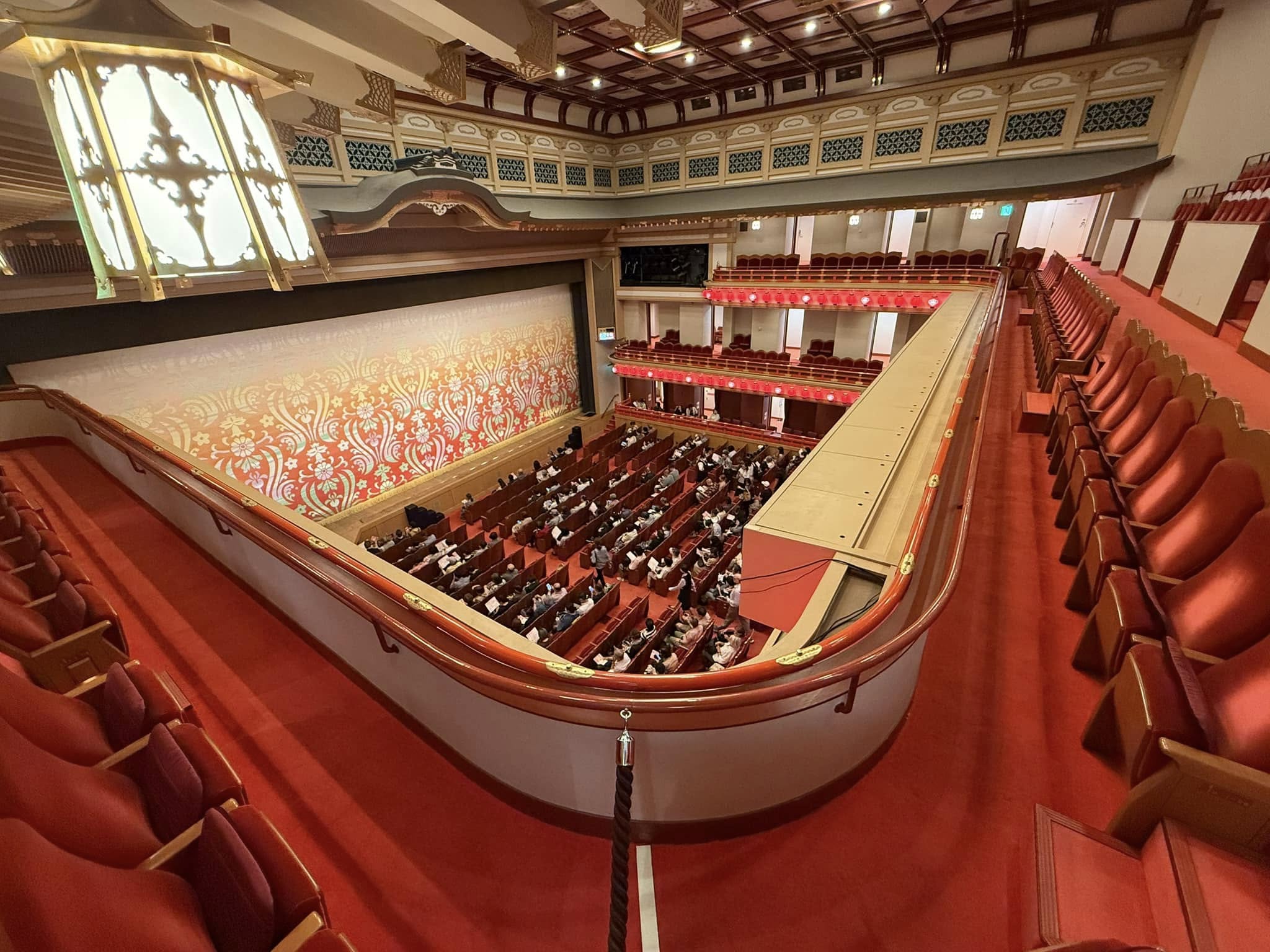
WARNING: I'm definitely not an art history scholar, so forgive me if I'm wrong about the many assumptions and generalizations I'm about to make about Japan and its history from here on out! But my hunch is that because Japan already had a long, outstanding history of visual and performance arts which incorporated plenty of amazing action, anime organically inherited a strong foundation upon which to build itself up into the final boss of action that it is today. I know that kabuki plays, for example, have their fair share of stylized violence.
The countless samurai films that Japan produced in the earlier days of filmmaking also likely contributed to the collective knowledge of action that anime artists can now draw upon to create spectacular fight sequences. Just look at movies like Yojimbo (direct link). Such movies are genius displays of the art of violence, skillfully knitting together perfect choreography with tension and gore to deliver deeply immersive scenes.
I think the thumbnail alone says enough.
Such films are the forefathers of all stunning action sequences in anime, including my one of my favorites, Gyutaro vs Tengen in Demon Slayer: Kimetsu no Yaiba. (Here's the direct link.) Though the clip only shows highlights, you can still see how the sequence is a giant crescendo of graphic violence that raises adrenaline levels and makes you scoot closer to the edge of your seat.
I could go on a ten page analysis of why this fight sequence is so good, but that's another post entirely, so I'll spare you. For now, just know that Japan's long-standing mastery of the art of violence has probably contributed to the scintillating action scenes that characterize much of anime today.
Japan's history of practicing art of all kinds probably led to anime's other major strength: pure artistic talent. I'm not talking about just the talent it takes to create good action but talent within the medium of visual arts as a whole. I mean, have you seen the level of detail in some of these anime? The command of perspective, color, and composition in so many covers, panels, and scenes, action-filled or not, is absolutely mind-boggling.
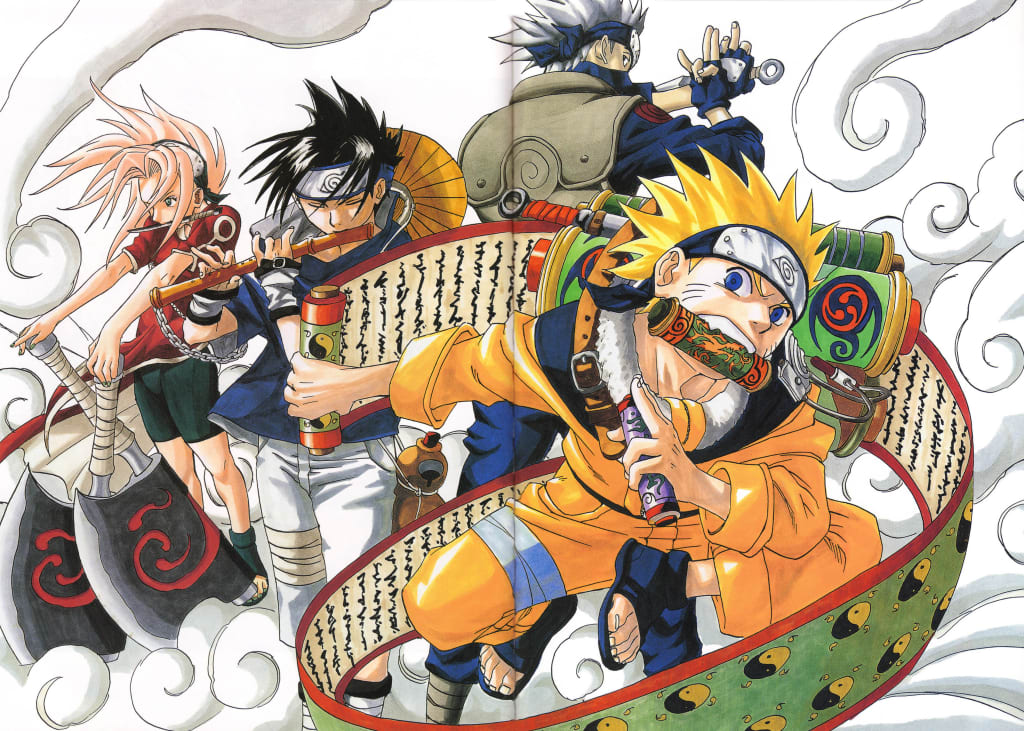
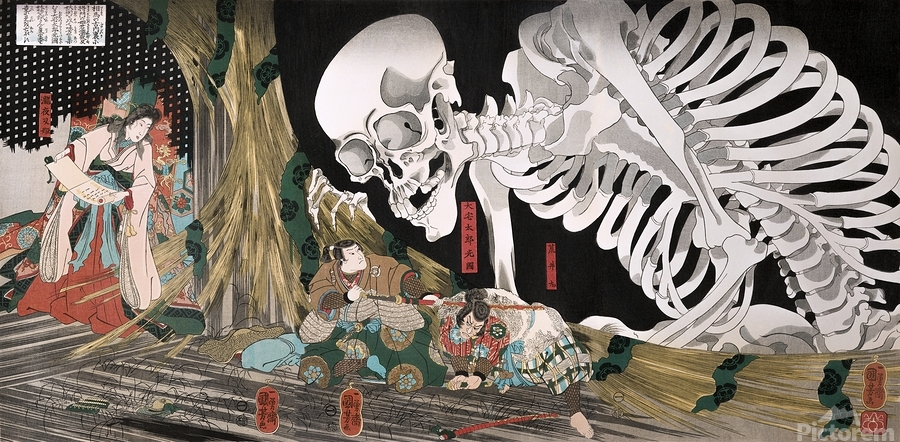
Again, such examples are not surprising when you realize that anime creators are part of the same artistic lineage that gifted the world with stuff like this:
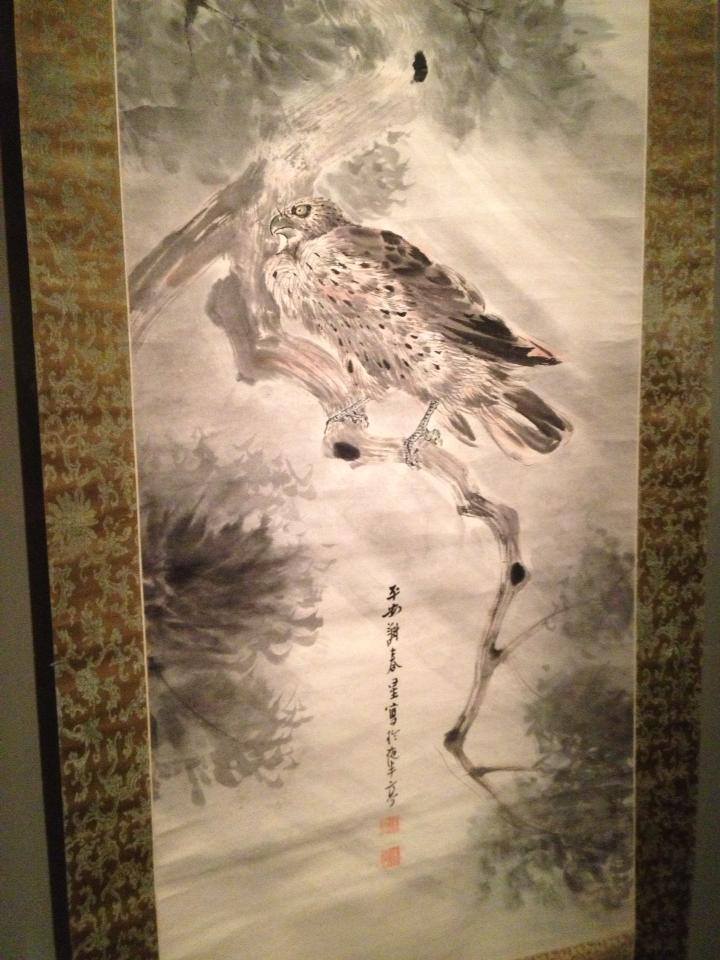
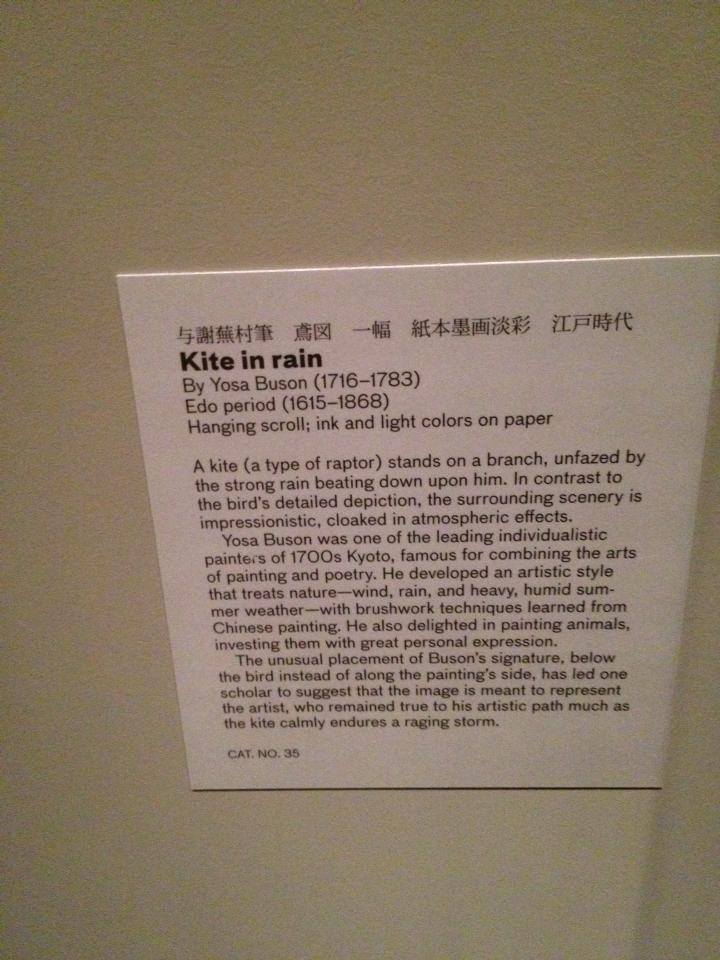
Japan’s tradition of bold and sophisticated storytelling in the visual and literary arts in particular probably contributed to another strength of anime: the ability to mash up whatever genres it wants while still creating a single compelling and internally-consistent story. Japanese art, after all, has long explored and utilized many different genres, from action to horror to romance, and consistently focuses on using whatever effective means possible to tell a good story rather than restricting itself to a handful of predictable labels.
Compare anime to modern Western shows, movies, and even a good amount of graphic novels, all of which tend to constrain themselves to neat, square mental fences out of fear of weirding out and, therefore, repelling potential consumers. Anime, in contrast, has no problem with giving categorizations and their boundaries two big middle fingers. Or, to use more polite and literary terms, anime does not fear speculative storytelling. Character design, world-building, and plot often flaunt much more originality or, at the very least, flair than Western entertainment because again, anime often focuses more on providing an immersive and engaging tale than staying within the safety of norms and clear categories. And if creating something cool and exciting means blasting all clearly defined categories twenty feet out of the water, then so be it.
Want to combine modern hip-hop with samurais in Edo period Japan? No problem. Anime's got you covered with Samurai Champloo (direct link).
One of my favorite intros of all time. Those of you who follow my Instagram may have noticed my love for Nujabes. Well, this is the anime that gave me that love.
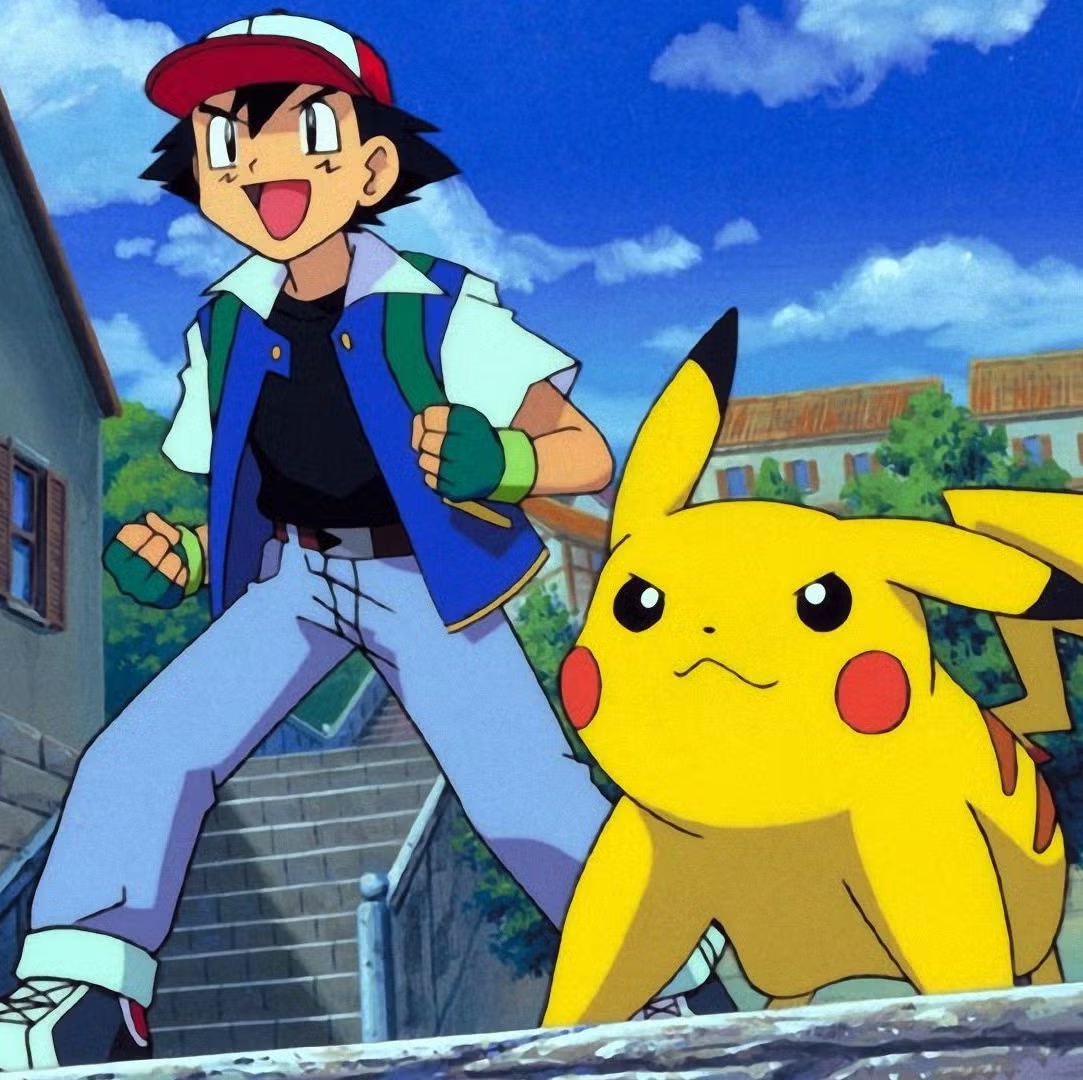
Looking for a kid-friendly science fantasy world, where fantastical creatures run amok in a modern yet futuristic civilization that allows boys and girls to capture said creatures in small spherical machines then release them for medieval-like tournaments in which the beast that can beat up the other beast the most wins? I give you Pokemon.
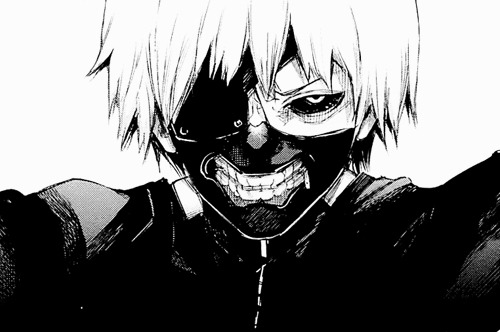
Or perhaps you really like punk and gothic fashion, dark fantasy/horror, and action/adventure? Well, guess what? You can have all three in the award-winning Tokyo Ghoul series.
Of course, many an otaku are now opening their mouths again, this time to shout, "But Ann! The anime industry has come under harsh criticism, especially within the past decade or so, for sticking to the same safe formulas rather than prioritizing originality and boldness like so many great anime of prior years! They're all starting to look and sound the same these days."
And sadly, yes, I agree. I suppose capitalism, globalism, and monopolies have all taken their toll on anime. But I would still argue that anime, even the more hackneyed series, is much more comfortable with being speculative and, therefore, somewhat different and bold than most other types of mainstream mediums of popular entertainment.
Which brings me to the reason I fell in love with anime to begin with. My love started with the common denominator underlying all of anime's strengths, from its sophisticated action sequences to its mind-blowing artistic detail to its shameless mixing of genres and fearlessness around the speculative.
I fell in love with anime because of its intensity.
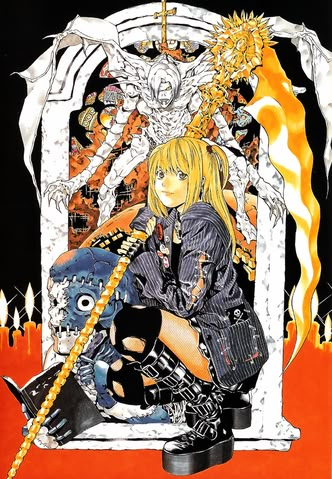
Intense. If I had to choose one word to describe anime, it's "intense". Anime is a rare art form that manages to push and pull extremes into perfect, balanced proportions so that instead of leaving the audience confused or exasperated, it gets our hearts pumping and our emotions reeling. We can't look away when Tanjiro gets violently stabbed through the mouth by Gyutaro. We keep staring at the cover of Death Note because it contains so many intricate details that we can't possibly absorb and enjoy them all in one simple glance. We're entranced with Mugen when he fights Jin because he uses breakdancing in tandem with sword fighting and somehow looks completely badass while doing so.
Anime understands that whether or not audience members like intensity, no one can look away from something intense. And if you look once, you can't look away. You get sucked in. Anime, thanks to centuries of skillful artists and storytellers who honed the art of intensity, knows how to use a myriad of different tools, from violence to the strange and original to pure artistic talent, to create intrigue. And it's a master at fostering that intrigue into addiction by pushing every component it possesses to a beautiful extreme.
If I had to guess, the intensity that Japanese artists have long poured into their art probably has something to do with Japanese society. (And again, I'm obviously not a sociologist, so I apologize if I'm making wildly inaccurate assumptions here.) Every society has its strengths and weaknesses with one often feeding the other, and with Japan, I feel that its strengths, such as its decorum, respect for privacy, and high standards for work ethic, can often result in its weaknesses, including isolation, loneliness, difficulty with work-life balance, and suppressed mountains of stress.
What do lonely, stressed-out people often do when alone and stressed? A lot of them turn to art, of course, the only thing that can both express and listen to the emotions and thoughts that they can't voice directly to other humans. And do you think people with heaps of suppressed fears, angst, sorrows, and stress are going to gravitate toward peaceful, placid things? No! They crave intensity because everything that has piled up within their hearts has created a pressurized box that wants to explode but simply can't being the contained thing that it is. I should know. That's one of the biggest reasons I watched so much anime during my darkest years, which consisted almost only of one dramatic and extreme experience after another. The only thing that could express my pain during such times was intensity because only intensity can break through the numbness of a broken heart and jumpstart any healing.
There are tons of shows and movies that portray the despair within poverty and the humanity of people whom society shuns as demons. But only Demon Slayer managed to make these topics relatable to me in a way that I could not only feel the compassion the creator had for the young and disenfranchised but also receive the warm and healing touch of comfort. Likewise, countless stories within and outside of anime have elaborated on the toxicity of bitterness and vengefulness. But it was Naruto that managed to break through the jadedness an unhappy home had built up within me and convince me to take a chance on friendships and hope for a better future.
Anime was able to reach me when so many other mediums could not because it so skillfully pushes action, gore, genre, character, world-building, plot, and every other storytelling tool within its power past the most extreme of boundaries, creating a level of intensity that felt relatable to me during my own intense circumstances. You can scream truths and wisdom at people, but they won't care or understand unless it's relatable because relatability meets us where we're at, and in so doing, it proves that whatever truths its carries can be real. And how can relatability reach a person unless there's intrigue to let it take root? And what produces intrigue better than intensity? And what does intensity better than anime?

A friendly reminder to mark you calendars for my first-ever author event! The agenda will include me doing a short reading from Eye in the Blue Box, Albert interviewing me about the book, Q&A time with the audience (you!), giveaways, and of course, a book signing!
PLEASE BE ON TIME. WE ARE LIMITED ON TIME DUE TO ROOM RESERVATION POLICIES.
BRING YOUR BOOK IF YOU WANT IT SIGNED. I CAN'T SELL MY BOOKS AT THE LIBRARY. (Sad, I know.)
WHEN: Saturday, April 18th from 4PM to 5PM
WHERE: San Diego, CA - Mira Mesa Library - Community Room
FREE! Bring a friend!